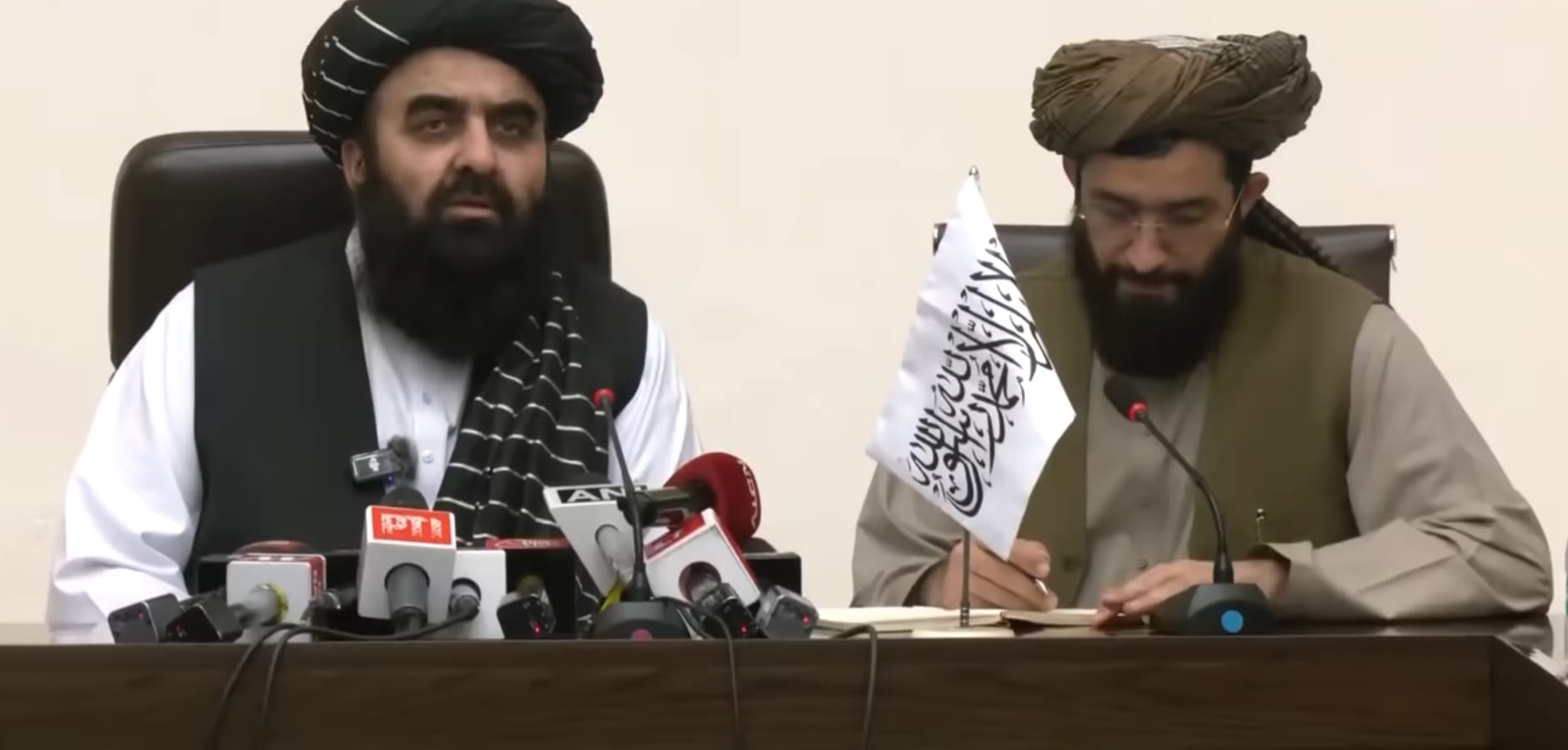
पाकिस्तान और अफगानिस्तान दो पड़ोसी मुस्लिम देश, जो भले ही धर्म और संस्कृति में कई समानताएं रखते हो, लेकिन राजनीति और सीमा विवादों के चलते दशकों से एक दूसरे के प्रति आविश्वास और तनाव में रहे हैं।2025 में फिर से दोनों देशों के बीच हिंसक जाड़पों ने सीमा पर गोलीबारी ने इस सवाल को जन्म दे दिया है।
हाल ही में पाकिस्तान ने अफगानिस्तान में हवाई हमलो के बाद अफगानिस्तान ने कड़ा रुख अपनाया है। बॉर्डर पर जिस तरह दोनों देशों के बीच गोलीबारी हुई है, उस से इस संघर्ष के बढ़ने की आशंका और ज्यादा हो गई है। और जाने
Pakistan and Afghanistan, two neighboring Muslim countries that share many similarities in religion and culture, have experienced decades of distrust and tension due to political and border disputes.Violent clashes between the two countries in 2025, combined with border firing, have raised this question.
Afghanistan has taken a tough stance following Pakistan’s recent air strikes in Afghanistan. The exchange of fire between the two countries along the border has further increased the possibility of an escalation of the conflict.
पाकिस्तान और अफगानिस्तान के बीच युद्ध क्यों हुआ (Why did the war between Pakistan and Afghanistan happen?)
पाकिस्तान और अफगानिस्तान के बीच हाल ही में सबसे भीषण जड़प देखने को मिली है। यह जड़प शनिवार देर रात को (11 अक्टूबर) देखने को मिली, जब पाक हवाई हमलो के जवाब मेंअफगान बलों ने पाकिस्तानी सेना की चौकियों पर हमला बोला। पाकिस्तान की ओर से भी जवाबी हमले किए गए और इस भीषण लड़ाई में दोनों ओर से सैकड़ों की संख्या में मौतें हुईं। पाकिस्तान और अफगानिस्तान ने एक-दूसरे पर आतंकियों को पनाह देने के आरोप लगाए हैं। ऐसे में बॉर्डर पर हुए संघर्ष से दोनों देशों के बीच विवाद बढ़ने का खतरा पैदा हो गया है।
पाकिस्तानी अधिकारियों ने कहा है, कि 11 से 12 अक्टूबर की रात हुई लड़ाई में 23 पाकिस्तानी सैनिक मारे गए हैं। वहीं तालिबान ने 58 पाकिस्तानी सैनिकों को मारने और 25 सैन्य चौकियों पर कब्जे की बात कही है। पाकिस्तानी अखबार डॉन ने सेना के सूत्रों के हवाले से तालिबान और उसे जुड़े गुटों के 200 से अधिक लड़ाके मारे जाने का दावा किया है। हालांकि इस संख्या की तालिबान ने पुष्टि नहीं की है लेकिन ये साफ है कि बॉर्डर पर स्थिति बहुत गंभीर है।
The most intense clashes between Pakistan and Afghanistan occurred in recent memory. This clash occurred late Saturday night (October 11th), when Afghan forces attacked Pakistani army posts in response to Pakistani airstrikes. Pakistan retaliated, and the fierce fighting resulted in hundreds of casualties on both sides. Pakistan and Afghanistan have accused each other of harboring terrorists. Consequently, the border clashes threaten to escalate tensions between the two countries.
Pakistani officials have stated that 23 Pakistani soldiers were killed in the fighting that took place on the night of October 11th and 12th. The Taliban, meanwhile, claimed to have killed 58 Pakistani soldiers and captured 25 military posts. The Pakistani newspaper Dawn, citing military sources, claimed that more than 200 Taliban and allied groups were killed. Although the Taliban has not confirmed this figure, it is clear that the situation on the border is very serious.
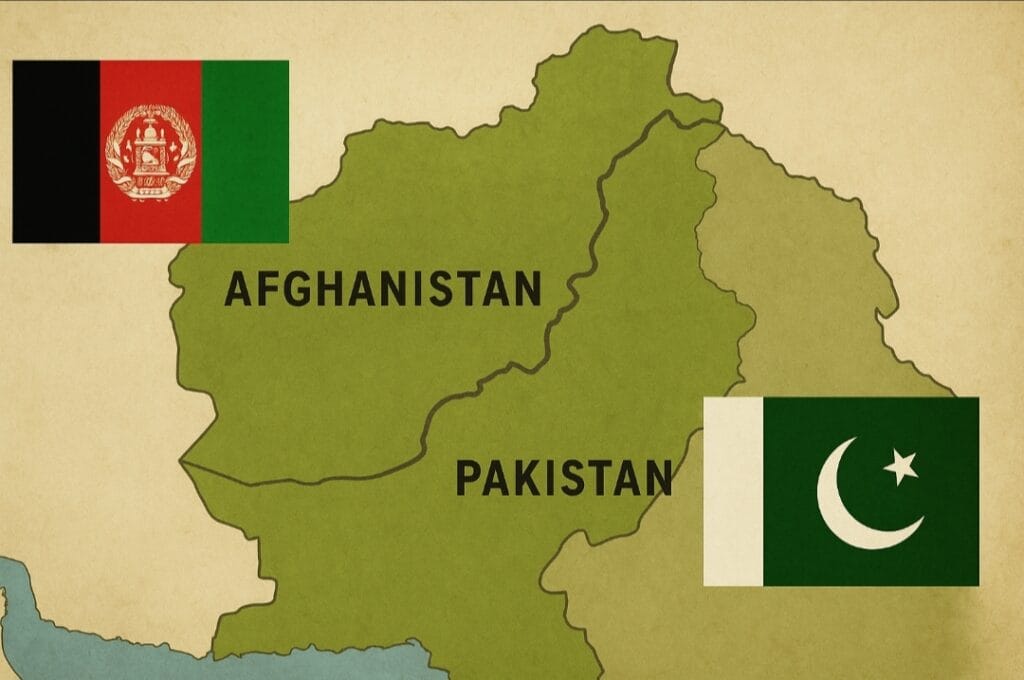
सीमावर्ती जिलों में तनाब (Tension in border districts)
इस टकराव में अफगानिस्तान-पाकिस्तान सीमा के कई जिले प्रभावित हुए हैं। इससे सीमा पर रहने वाले स्थानीय लोगों को भी भारी मुश्किल और नुकसान का सामना करना पड़ा है। झड़पों के बाद पाकिस्तान ने बॉर्डर को बंद कर दिया है। तालिबान के रक्षा मंत्रालय ने कुनार प्रांत में टैंक और भारी हथियार तैनात कर दिए हैं, और पाकिस्तान ने भी बॉर्डर पर सैनिक और हथियारों का जमावड़ा लगा दिया है। इससे सैन्य तनाव का ख़तरा बढ़ गया है।
इस झड़प में तहरीक-ए-तालिबान पाकिस्तान (टीटीपी) का नाम प्रमुखता से उभर कर आया है। यह समूह लंबे समय से पाकिस्तान में हमले कर रहा है। पाकिस्तान का कहना है कि 2021 में अफगानिस्तान में तालिबान का सत्ता में लौटने के बाद से टीटीपी की ताकत फिर से बढ़ गई है। पाकिस्तान काबुल पर टीटीपी को पनाह देने का आरोप लगाता है। हालांकि तालिबान सरकार इससे इनकार करती है।
Several districts along the Afghanistan-Pakistan border have been affected by this conflict. Local residents living along the border have also faced significant hardship and losses. Following the clashes, Pakistan has closed the border. The Taliban’s Defense Ministry has deployed tanks and heavy weapons in Kunar province, and Pakistan has also amassed troops and weapons along the border, raising the risk of military tensions.
The Tehreek-e-Taliban Pakistan (TTP) has figured prominently in this clash. This group has long carried out attacks in Pakistan. Pakistan claims that the TTP’s strength has increased since the Taliban returned to power in Afghanistan in 2021. Pakistan accuses Kabul of harboring the TTP, a claim the Taliban government denies.
दोनों देशों के बीच बढ़ा तनाब (Tension increased between the two countries)
इस्लामाबाद स्थित थिंक टैंक, सेंटर फॉर रिसर्च एंड सिक्योरिटी स्टडीज (CRSS) ने तनाव को पाकिस्तान में हुए TTP के हमलों से जोड़ा है। CRSS के अनुसार, 2025 की पहली तीन महीनों में 2,414 मौतें दर्ज की गईं है। अगर यह जारी रहा तो 2025 एक दशक से भी ज्यादा समय का सबसे घातक वर्ष हो सकता है। ऐसे में पाकिस्तान की आर्मी और सरकार पर टीटीपी पर कार्रवाई को लेकर भारी दबाव है।
तालिबान विदेश मंत्री आमिर खान मुत्तकी की भारत यात्रा ने भी अफगानिस्तान-पाकिस्तान तनाव को बढ़ाया है। भारत ने काबुल में अपने दूतावास फिर से खोलने और तालिबान शासन के साथ राजनयिक संबंध बढ़ाने की बात कही है। नई दिल्ली के इस कदम से इस्लामाबाद में बेचैनी है। अफगानिस्तान में भारत की मौजूदगी को इस्लामाबाद संदेह की नजर से देखता रहा है। और जाने
The Islamabad-based think tank, the Center for Research and Security Studies (CRSS), has linked the tensions to TTP attacks in Pakistan. According to CRSS, 2,414 deaths were recorded in the first three months of 2025. If this trend continues, 2025 could be the deadliest year in more than a decade. Consequently, the Pakistani army and government are under immense pressure to take action against the TTP.
Taliban Foreign Minister Amir Khan Muttaqi’s visit to India has also escalated Afghanistan-Pakistan tensions. India has spoken of reopening its embassy in Kabul and expanding diplomatic relations with the Taliban regime. This move by New Delhi has caused unease in Islamabad. Islamabad has always viewed India’s presence in Afghanistan with suspicion.
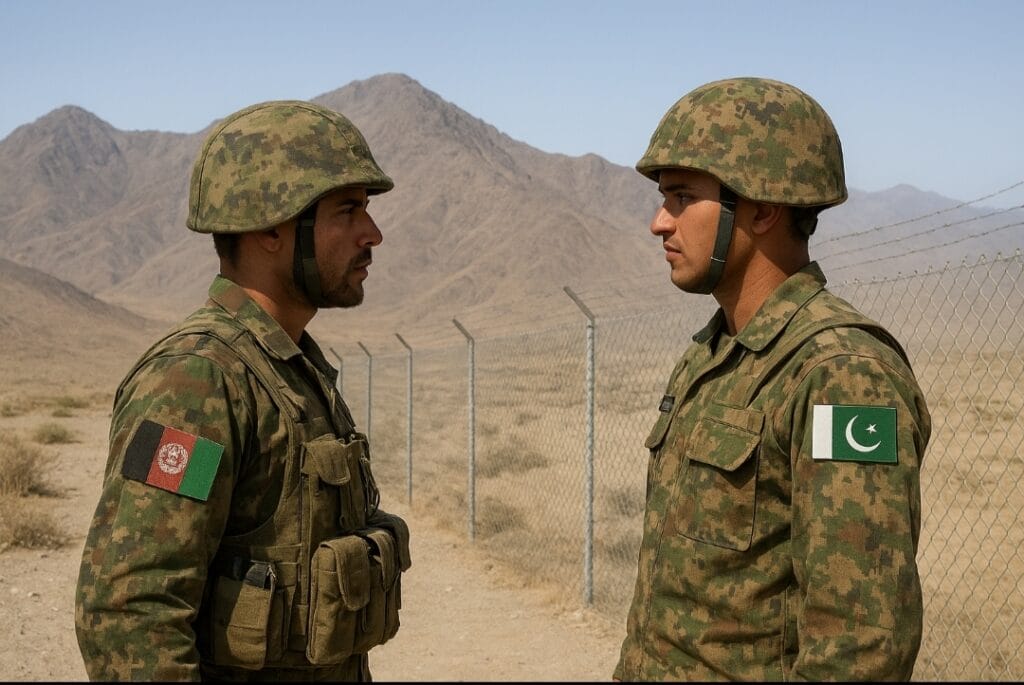
युद्ध नहीं चाहते दोनों देश (Both countries do not want war.)
इंटरनेशनल क्राइसिस ग्रुप के काबुल स्थित वरिष्ठ विश्लेषक इब्राहिम बहिस ने अल जजीरा से कहा है, कि मुत्तकी का दिल्ली दौरा शायद पाकिस्तानी सेना के बड़े पैमाने पर कार्रवाई करने की आखिरी वजह बना है। कतर और सऊदी अरब की मध्यस्थता के बाद फिलहाल गोलीबारी लगभग थम गई है। विश्लेषकों का मानना है कि दोनों पक्ष लंबे समय तक संघर्ष से बचना चाहते हैं।
इब्राहीम बहिस ने कहा कि कोई भी पक्ष अपनी सीमाओं पर बड़ी सैन्य वृद्धि नहीं चाहता है। अफगानिस्तान पाकिस्तान सुरक्षाकर्मियों के हमलों का सामना कर रहा है। अगर अफगान तालिबान भी हमले करने लगे तो समस्या जटिल हो जाएगी। ऐसे में पाकिस्तान चाहेगा कि कूटनीति के जरिए मसले का हल निकालें। वहीं तालिबान भी किसी नए संघर्ष में जाने से बचने की कोशिश करेगा।
Ibrahim Bahis, a Kabul-based senior analyst at the International Crisis Group, told Al Jazeera that Muttaki’s visit to Delhi may have been the final impetus for a large-scale Pakistani military offensive. Following mediation by Qatar and Saudi Arabia, the firing has largely ceased. Analysts believe both sides want to avoid a prolonged conflict. Read more
Ibrahim Bahis said that neither side wants a major military escalation on its borders. Afghanistan is facing attacks by Pakistani security forces. If the Afghan Taliban also begins attacks, the problem will become more complicated. In such a situation, Pakistan will want to resolve the issue through diplomacy, while the Taliban will also try to avoid a new conflict.
संघर्ष की ऐतिहासिक जड़: डूरंड लाइन विवाद (Historical Roots of the Conflict: The Durand Line Dispute)
पाकिस्तान-अफगानिस्तान तनाव का कारण TTP ही नहीं बल्की सबसे बड़ी वजह “डूरंड लाइन”, हैं ,जो ब्रिटिश राज के समय 2,611 किलोमीटर लम्बी 1893 में तय की गई थी।यह रेखा ब्रिटिश भारत और अफगानिस्तान के बीच सीमा मानी गई, लेकिन जब 1947 में पाकिस्तान बना, तो अफगानिस्तान ने इस सीमा को कभी आधिकारिक रूप से स्वीकार नहीं किया।
अफगानिस्तान का दावा है कि ड्यूरंड लाइन ने पश्तून बहुल इलाकों को दो हिस्सों में बांट दिया — एक हिस्सा पाकिस्तान में (खैबर पख्तूनख्वा) और दूसरा अफगानिस्तान में,पाकिस्तान का कहना है कि यह सीमा अंतरराष्ट्रीय स्तर पर मान्यता प्राप्त है, और अब इसे बदलना संभव नहीं।अफगानिस्तान इस रेखा पार आवाजाही रखता है, तो पाकिस्तान इसको घुसबैठ करार देता हैं, यही विवाद आज भी दोनों देशों के बीच तनाव की जड़ बना हुआ है।
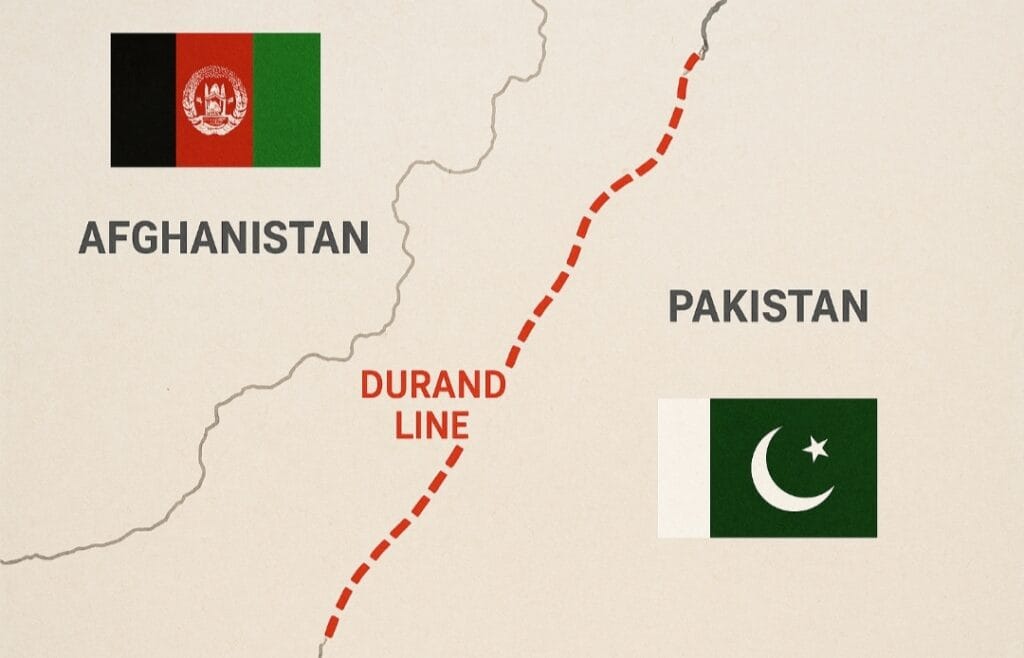
The biggest reason for Pakistan-Afghanistan tensions is not just the TTP, but the “Durand Line,” a 2,611-kilometer-long line drawn in 1893 during the British Raj. This line was considered the border between British India and Afghanistan, but when Pakistan was formed in 1947, Afghanistan never officially accepted this border.
Afghanistan claims that the Durand Line divided the Pashtun-dominated areas into two parts—one in Pakistan (Khyber Pakhtunkhwa) and the other in Afghanistan. Pakistan maintains that this border is internationally recognized and cannot be changed. When Afghanistan maintains movement across this line, Pakistan calls it infiltration. This dispute remains the root of tension between the two countries even today.
तालिबान और पाकिस्तान के रिश्ते: दोस्ती से दुश्मनी तक (Taliban and Pakistan relations: From friendship to enmity)
जब 2021 में तालिबान ने अफगानिस्तान में सत्ता संभाली, तो पाकिस्तान को उम्मीद थी कि अब दोनों देशों के रिश्ते सुधरेंगे।क्योंकि पाकिस्तान पर हमेशा यह आरोप लगता रहा है कि उसने ही तालिबान को समर्थन देकर उन्हें सत्ता तक पहुंचाया हैं।
लेकिन तालिबान सरकार के बनने के बाद हालात उलटे पड़ गए।तालिबान ने ड्यूरंड लाइन पर पाकिस्तान द्वारा बनाई गई बाड़ (फेंस) को तोड़ना शुरू कर दिया।अफगान सीमा चौकियों पर पाकिस्तानी सैनिकों पर हमले बढ़ने लगे।तालिबान ने पाकिस्तान पर आरोप लगाया कि वह सीमा पार आतंकवादियों को मारने के बहाने अफगान संप्रभुता का उल्लंघन कर रहा है। इससे पाकिस्तान की “रणनीतिक गहराई” (Strategic Depth) की नीति पूरी तरह विफल हो गई।
When the Taliban took power in Afghanistan in 2021, Pakistan hoped that relations between the two countries would improve. Pakistan has always been accused of supporting the Taliban and bringing them to power.
However, after the formation of the Taliban government, the situation took a turn for the worse. The Taliban began dismantling the fence built by Pakistan along the Durand Line. Attacks on Pakistani soldiers at Afghan border posts increased. The Taliban accused Pakistan of violating Afghan sovereignty under the pretext of killing cross-border terrorists. This completely failed Pakistan’s policy of “Strategic Depth.”
TTP यानी तहरीक-ए-तालिबान पाकिस्तान कौन है (Who is TTP Means Tehreek-e-Taliban Pakistan?)
पाकिस्तान के लिए सबसे बड़ा सिरदर्द है TTP – तहरीक-ए-तालिबान पाकिस्तान है।यह संगठन तालिबान के ही समान विचारधारा रखता है, लेकिन इसका लक्ष्य पाकिस्तान में इस्लामी शासन लागू करना है।TTP ने पाकिस्तान में कई हमले किए, जिनमें सेना, पुलिस और स्कूलों पर हमले शामिल हैं।
पाकिस्तान का आरोप है कि TTP के आतंकवादी अफगानिस्तान की सीमा से सुरक्षित पनाह लेकर पाकिस्तान में घुसपैठ करते हैं।जबकि तालिबान सरकार का कहना है कि वह TTP को नियंत्रित नहीं कर सकते क्योंकि वे “अफगान नागरिक नहीं हैं”।
इस विवाद ने दोनों देशों के बीच विश्वास की दीवार को और ऊँचा कर दिया।
The biggest headache for Pakistan is the TTP – Tehreek-e-Taliban Pakistan. This organization shares a similar ideology to the Taliban, but its goal is to impose Islamic rule in Pakistan. The TTP has carried out numerous attacks in Pakistan, including attacks on the military, police, and schools.
Pakistan alleges that TTP terrorists infiltrate Pakistan from safe havens across the Afghan border. The Taliban government, however, says it cannot control the TTP because they are “not Afghan citizens.”
This dispute has further eroded the trust deficit between the two countries.
पाकिस्तान के अंदरूनी हालात भी तनाव बढ़ा रहे हैं (The internal situation in Pakistan is also increasing tension.)
पाकिस्तान वर्तमान में राजनीतिक अस्थिरता और आर्थिक संकट से गुजर रहा है।
IMF से कर्ज,
बढ़ती महंगाई,
और आतंरिक राजनीतिक संघर्ष ने उसकी सैन्य ताकत को कमजोर किया है।ऐसे में सीमावर्ती तनाव पाकिस्तान के लिए एक दोहरा दबाव बन गया है।विशेषज्ञों का मानना है कि पाकिस्तान सरकार अफगानिस्तान से टकराव को आंतरिक असफलताओं से ध्यान हटाने के साधन के रूप में भी देख रही है। और जाने
Pakistan is currently experiencing political instability and an economic crisis.
IMF debt,
rising inflation,
and internal political conflict have weakened its military strength. In this context, border tensions pose a double burden for Pakistan. Experts believe that the Pakistani government is also viewing the conflict with Afghanistan as a means of distracting from internal setbacks.
अफगानिस्तान की स्थिति: तालिबान की मजबूरी (Situation in Afghanistan: Taliban’s helplessness)
तालिबान सरकार खुद अंतरराष्ट्रीय स्तर पर अलग-थलग (Isolated) है।
उसे न तो संयुक्त राष्ट्र से मान्यता मिली है और न ही आर्थिक सहायता।
ऐसे में तालिबान सरकार के लिए जनता के बीच राष्ट्रवाद (Nationalism) दिखाना जरूरी है।
पाकिस्तान के खिलाफ सख्त रुख अपनाना उन्हें घरेलू समर्थन दिलाने का एक तरीका बन गया है।
The Taliban government itself is internationally isolated.
It has received neither recognition from the United Nations nor financial assistance.
In such a situation, it is important for the Taliban government to project nationalism among the public.
Taking a tough stance against Pakistan has become a way to garner domestic support.
चीन और अमेरिका की नजरें (Eyes on China and America)
दोनों देशों का संघर्ष केवल सीमित क्षेत्रीय मुद्दा नहीं है, बल्कि इसमें बड़े भू-राजनीतिक (Geopolitical) खेल छिपे हैं।
चीन: पाकिस्तान में अपने CPEC (चीन-पाक आर्थिक गलियारा) प्रोजेक्ट को लेकर चिंतित है।अगर सीमा पर अस्थिरता बढ़ी, तो चीन की अरबों डॉलर की निवेश योजना प्रभावित हो सकती है।
अमेरिका: अफगानिस्तान से बाहर निकलने के बाद अब अमेरिका पाकिस्तान पर आतंकवाद पर कार्रवाई का दबाव बना रहा है।अमेरिका नहीं चाहता कि तालिबान और TTP फिर से क्षेत्र में आतंकवादी नेटवर्क मजबूत करें।
The conflict between the two countries is not merely a limited regional issue, but rather has larger geopolitical implications.
China: Pakistan is concerned about its CPEC (China-Pakistan Economic Corridor) project. If instability increases along the border, China’s billion-dollar investment plans could be affected.
US: After withdrawing from Afghanistan, the US is now pressuring Pakistan to take action against terrorism. The US does not want the Taliban and TTP to re-establish terrorist networks in the region. Read more
क्या यह युद्ध में बदल सकता है? (Could this turn into war?)
विश्लेषकों का कहना है कि दोनों देशों के बीच पूर्ण युद्ध की संभावना कम है, लेकिन सीमित झड़पें और Proxy War जारी रह सकती हैं।
कारण यह है कि दोनों ही देश युद्ध झेलने की स्थिति में नहीं हैं —
पाकिस्तान आर्थिक रूप से कमजोर है,
अफगानिस्तान के पास आधुनिक हथियार या एयर फोर्स नहीं है।
फिर भी, गलतफहमी या किसी बड़ी सीमा घटना से यह संघर्ष कभी भी भड़क सकता है।
Analysts say the likelihood of a full-scale war between the two countries is low, but limited skirmishes and proxy wars may continue.
The reason is that neither country is in a position to sustain a war—
Pakistan is economically weak,
Afghanistan lacks modern weapons or an air force.
Nevertheless, a misunderstanding or a major border incident could trigger a conflict at any time.
क्षेत्रीय प्रभाव: भारत, ईरान और मध्य एशिया (Regional influence: India, Iran, and Central Asia)
भारत के लिए यह स्थिति रणनीतिक रूप से फायदेमंद हो सकती है, क्योंकि पाकिस्तान को दो मोर्चों पर दबाव झेलना पड़ेगा। और भारत का अफगानिस्तान से भी अच्छा रिश्ता है और भारत का झुकाव पूर्ण रूप से अफगानिस्तान की तरफ होगा हाल ही में तालिबान सरकार के विदेश मंत्री आमिर खान मुतकी ने भारत यात्रा भी की है।

ईरान पहले से ही तालिबान के साथ सीमा विवादों से जूझ रहा है, इसलिए वह भी चिंतित है कि संघर्ष पूरे क्षेत्र को अस्थिर कर देगा।
मध्य एशियाई देश (जैसे ताजिकिस्तान, उज्बेकिस्तान) भी डर रहे हैं कि आतंकवादी समूह उनके देशों में घुसपैठ कर सकते हैं।
This situation could be strategically beneficial for India, as Pakistan will face pressure on two fronts. India also has a good relationship with Afghanistan, and its inclination will be completely towards Afghanistan. Recently, the Taliban government’s Foreign Minister, Amir Khan Mataki, visited India.
Iran, already grappling with border disputes with the Taliban, is concerned that the conflict will destabilize the entire region.
Central Asian countries (such as Tajikistan and Uzbekistan) also fear that terrorist groups could infiltrate their countries.
पुरानी नीतियों का परिणाम (The result of old policies)
पाकिस्तान-अफगानिस्तान का मौजूदा तनाव किसी एक घटना का परिणाम नहीं, बल्कि दशकों पुरानी गलत नीतियों का नतीजा है।
डूरंड लाइन विवाद, आतंकवादी संगठनों की पनाह, और आपसी अविश्वास ने इन दोनों देशों के रिश्तों को जहर बना दिया है।
यदि दोनों देश बातचीत और सीमा पर आपसी समझ से काम नहीं लेते, तो यह विवाद पूरे दक्षिण एशिया की सुरक्षा के लिए खतरा बन सकता है।
समाधान केवल युद्ध नहीं, बल्कि कूटनीति और आपसी विश्वास की बहाली से ही संभव है।
The current Pakistan-Afghanistan tensions are not the result of a single incident, but rather the outcome of decades of misguided policies.
The Durand Line dispute, the harboring of terrorist organizations, and mutual distrust have poisoned relations between these two countries.
If the two countries do not pursue dialogue and mutual understanding on the border, this dispute could threaten the security of all of South Asia.
A solution is possible not through war, but through diplomacy and the restoration of mutual trust.